
Every retailer loses some stock it never sells. Shoplifting gets the headlines, but losses also come from internal theft, receiving errors, return fraud and simple paperwork mistakes. The good news is that most of it is preventable. These retail loss prevention strategies show how stores in British Columbia can cut shrink without making honest customers feel like suspects.
Where Retail Losses Really Come From
Before choosing solutions, work out which kind of loss you actually have. Most retail shrink falls into four groups:
- External theft: shoplifting, organized retail crime and grab-and-run incidents.
- Internal theft: staff taking merchandise or cash, or giving unauthorized discounts.
- Process errors: mistakes in receiving, pricing, transfers and inventory counts.
- Vendor and return fraud: short deliveries, fake receipts and abuse of return policies.
Your inventory counts, exception reports and incident logs will show which group costs you most — and that is where your loss prevention budget should go first.

12 Retail Loss Prevention Strategies That Work
1. Design the store for visibility
Keep shelving low near entrances, avoid blind corners and place the cash desk where staff can see the floor and the door. Put small, high-value items near the counter or in locked display cases.
2. Make customer service your first line of defence
A quick greeting and an offer of help tells a would-be shoplifter they have been noticed. Friendly, attentive staff prevent more theft than any sign.
3. Train every employee on what to watch for
Staff should recognize common behaviours — loitering in blind spots, large bags, removing tags, working in groups to distract a cashier — and know exactly who to tell. Training should make clear that employees must never chase or physically stop anyone.
4. Control the stockroom and back door
Limit stockroom access, keep emergency exits alarmed and check deliveries against invoices before signing. Good door and access control closes one of the most common routes for internal loss.
5. Use CCTV where it adds value
Cameras deter theft and help investigations when they cover entrances, cash desks, high-value displays and the stockroom. Post clear signage, and make sure someone actually reviews footage when incidents happen. For a comparison of cameras and guards, read security guard vs CCTV.
6. Tag high-risk merchandise
Electronic article surveillance (EAS) tags, spider wraps and locking pegs slow down theft of the items that disappear most often. Review your shrink reports to decide which products to tag.
7. Tighten cash handling
Use individual cash drawers, limit the cash kept in tills, require manager approval for voids and refunds, and reconcile at every shift change.
8. Protect your return policy
Require receipts or ID for returns, track refunds by employee and customer, and watch for repeated no-receipt returns.
9. Audit inventory regularly
Cycle counts on high-risk categories catch problems early, long before an annual count shows a gap you cannot explain.
10. Plan for high-risk periods
Holiday shopping, Boxing Day sales and back-to-school weekends bring crowds — and opportunity. Add staff, tighten fitting-room control and consider extra security coverage on your busiest days.
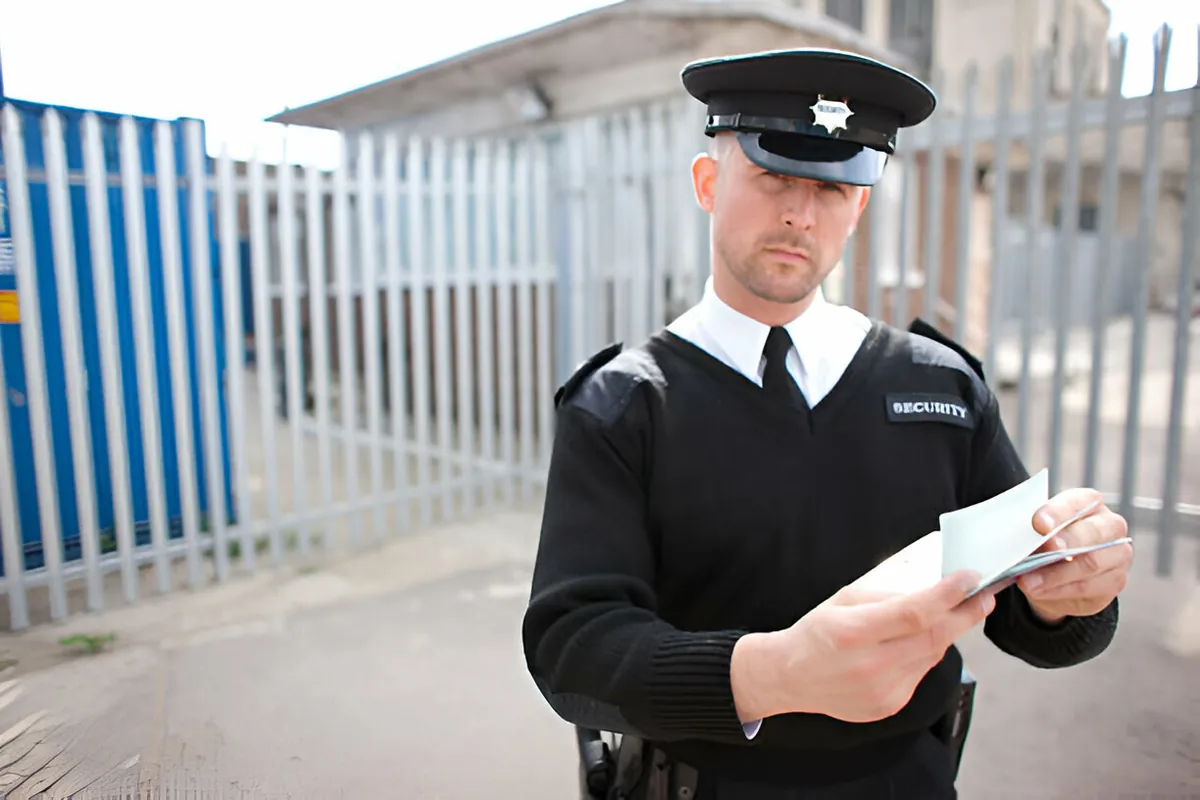
11. Add uniformed guards or loss prevention officers
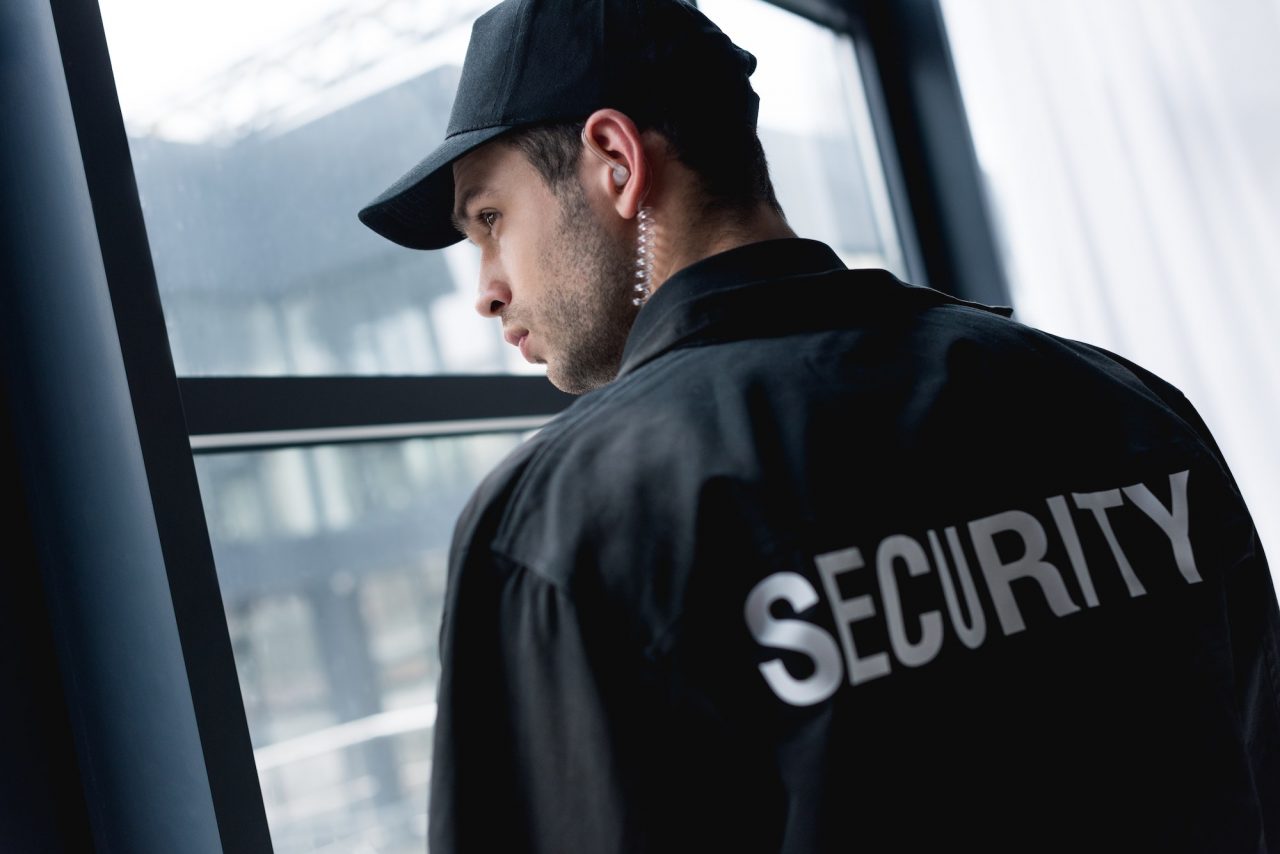
A uniformed guard at the entrance is a visible deterrent, while plain-clothes loss prevention officers observe and document theft without changing how the store feels. Many stores combine both depending on location and trading hours. Our retail store security guards also help with customer service, opening and closing, and incident reporting.
12. Record every incident
Write a short report for every theft, attempted theft and suspicious event: time, location, description and what was taken. Patterns in these reports tell you where to focus next — and support any report you make to police.
What Security Guards Can and Cannot Do in BC
Loss prevention has to stay within the law. In British Columbia, licensed security workers may not carry items designed to injure or control people — including batons, pepper spray and tasers — and using handcuffs requires additional authorization. Any arrest by a property owner or someone authorized by the owner is governed by section 494 of the Criminal Code of Canada, which allows an arrest only in limited circumstances and requires the person to be handed over to police without delay. Because of the risks involved, a well-run loss prevention program puts safety first: observe, document, report and call police, rather than confront.

Building a Loss Prevention Plan for Your Store
- Review your shrink and incident data to find your biggest source of loss.
- Walk the store with a security professional to spot blind spots and weak points — a security risk assessment does this formally.
- Fix the layout, cash and stockroom processes first; they cost the least.
- Add technology and guard coverage where the data shows the highest risk.
- Train staff, then review results every quarter.
Uniformed Guards vs. Plain-Clothes Loss Prevention Officers
| Uniformed security guard | Plain-clothes loss prevention officer | |
|---|---|---|
| Main goal | Visible deterrence at the entrance and on the floor | Observe and document theft without being noticed |
| Best for | High-traffic stores, opening and closing, busy seasons | Stores with repeat theft or organized retail crime |
| Customer experience | Reassuring presence; can help with directions and service | Invisible to honest customers |
| Licence in BC | BC security worker licence | BC security worker licence |
Many stores combine both: a uniformed guard deters opportunistic theft while loss prevention officers focus on repeat offenders. A loss prevention program built this way covers both the casual shoplifter and the organized group.
Loss Prevention Metrics Worth Tracking
- Shrink rate: the value of inventory lost compared with sales, measured each count.
- Incidents by time and day: shows when to schedule staff and security.
- Loss by department or product: shows which items to tag, lock or move.
- Refunds and voids by employee: highlights possible internal loss.
- Receiving discrepancies: catches short deliveries and vendor errors.
Review these numbers monthly. A loss prevention plan that is measured can be improved; one that is not measured usually drifts.
Loss Prevention for Small Retailers on a Budget
Small stores do not need a large loss prevention budget to see results. Start with the free steps: rearrange displays to remove blind spots, greet every customer, keep high-value items near the counter, and tighten refund and cash procedures. Add affordable tools next — cameras over the cash desk and entrance, and tags on the products that go missing most. Bring in security guards only for the hours and seasons when the data shows the highest risk, such as holiday weekends and Boxing Day sales.
Training Staff for Loss Prevention
Every employee plays a part in loss prevention. A short training session should cover how to greet and assist customers, which behaviours to watch for, how to report concerns to a manager or security, how to handle cash and refunds correctly, and — most importantly — never to chase, block or physically stop a suspected shoplifter. Refresh this training before every busy season and whenever new staff join.
Frequently Asked Questions
What is the most effective retail loss prevention strategy?
There is no single fix. Stores get the best results by combining attentive customer service, a clear store layout, tight cash and stockroom controls, and visible security where the risk is highest.
Should employees try to stop shoplifters?
No. Staff should observe, note details and report to a manager, security or police. Chasing or physically stopping someone puts employees and customers at risk.
Are loss prevention officers different from security guards?
Uniformed security guards deter theft through visible presence. Loss prevention officers usually work in plain clothes to observe and document theft. Both must hold a BC security worker licence.
Do small retailers need security guards?
Not always. Many small stores reduce losses with layout changes, staff training and cameras, then add guard coverage only for busy seasons or high-risk hours.
Reduce retail losses with licensed guards. Trans World Security Services Ltd. provides retail and loss prevention security across BC as a licensed security company. Request a free quote or call 778 855 3065.