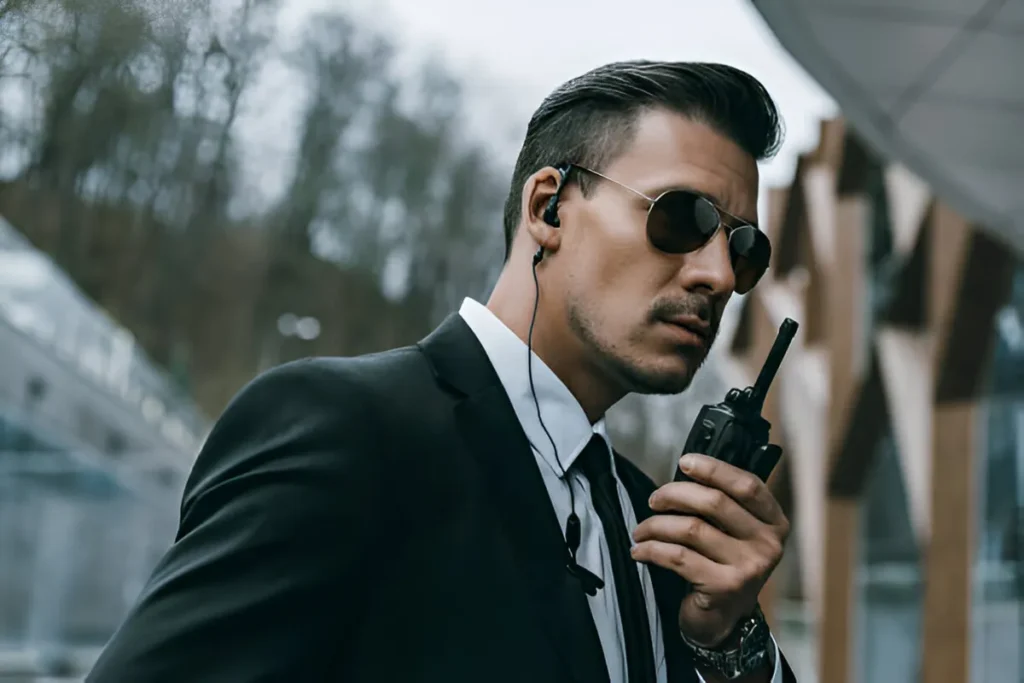
Some sites need more than a guard at the front desk. Late-night venues, high-value properties, sites with a history of incidents and high-profile clients call for officers who are trained to read a situation early and respond decisively. That is the role of a tactical security guard. This guide explains what tactical security guards do in British Columbia, how they differ from standard guards, and the legal limits every BC security worker must follow.
What Is a Tactical Security Guard?
A tactical security guard is a licensed security officer assigned to elevated-risk environments. Compared with a standard guard, a tactical officer typically has more experience, additional training in threat assessment, de-escalation and emergency response, and a more visible, assertive presence. In BC, tactical security guards hold the same BC security worker licence as other guards and follow the same provincial rules.
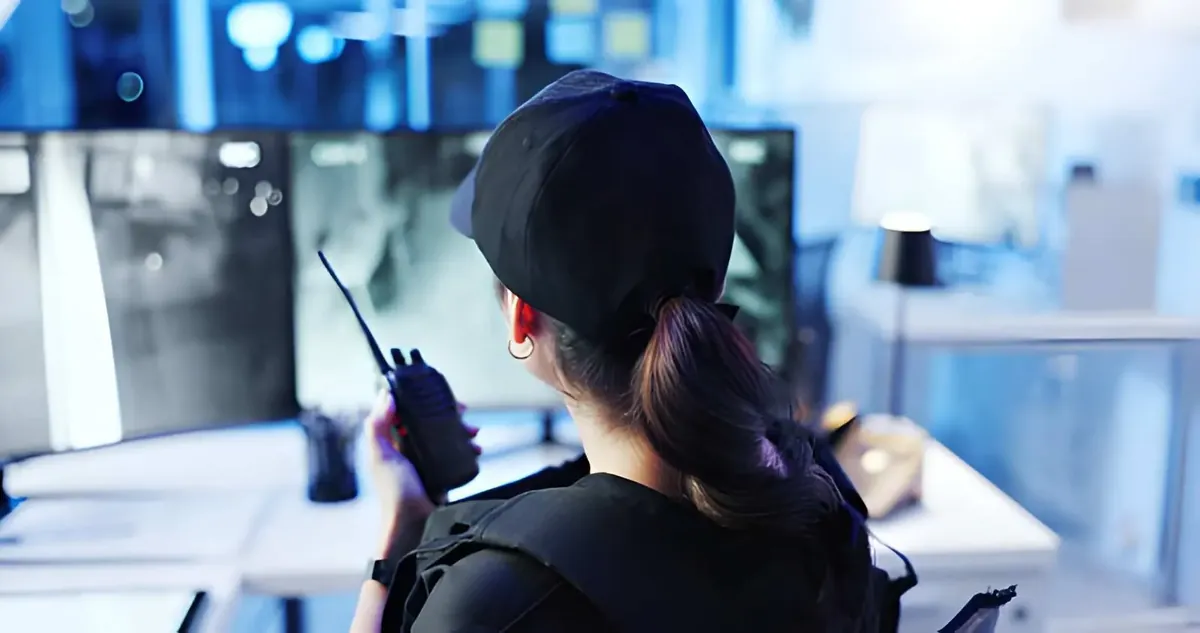
What Tactical Security Guards Do
Threat and risk assessment
Tactical officers continually assess the site: entry points, crowd behaviour, known problem areas and anything that looks out of place. Spotting a problem early is the most effective way to prevent it.
Visible deterrence
A professional, confident presence at entrances, parkades and perimeters discourages trespassing, theft and violence before it starts.
De-escalation and conflict management
Most incidents are resolved through communication. Tactical guards are trained to calm tense situations, separate people and keep others safe while waiting for police when needed.
Emergency response and coordination
When something does happen, tactical officers secure the area, call emergency services, guide people to safety and pass clear information to police and paramedics.
Executive and VIP protection
For high-profile individuals, tactical officers plan routes, manage access and keep a discreet, close presence — with an emphasis on avoidance and safe exit rather than confrontation.
Detailed reporting
Every incident is documented accurately, which supports the client, the police and any insurance claim.
Tactical Security Guards vs. Standard Guards
| Standard security guard | Tactical security guard | |
|---|---|---|
| Typical sites | Offices, lobbies, retail, residential | High-risk venues, problem sites, VIP and executive protection |
| Focus | Observe, report, customer service | Risk assessment, deterrence, de-escalation, emergency response |
| Experience | Entry to mid level | Usually more experienced officers |
| Licence in BC | BC security worker licence | BC security worker licence (plus extra authorizations for restraints or dogs, if used) |
Legal Limits for Security Guards in BC
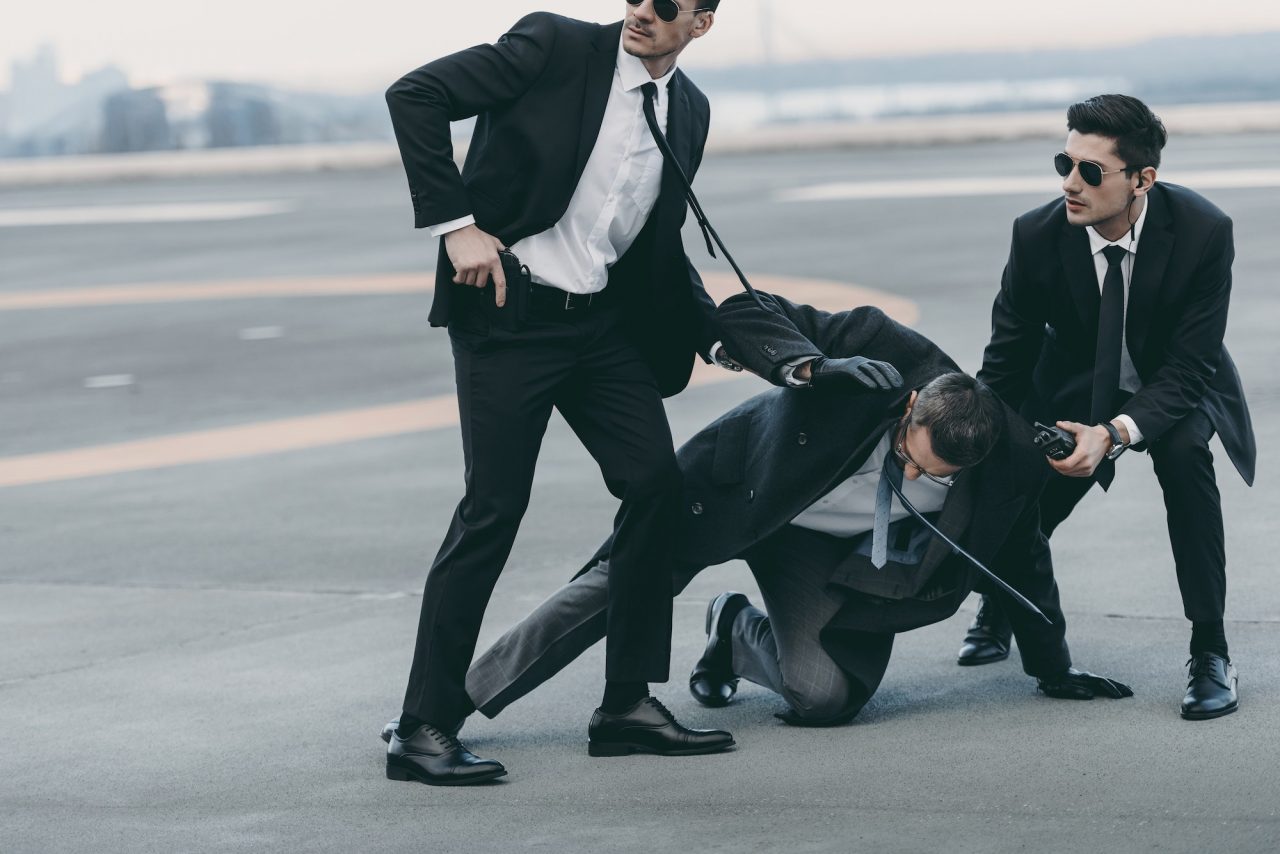
Tactical does not mean armed. Under BC’s rules for licensed security workers, guards may not carry or use items designed to injure or control people — including tasers, pepper spray and batons — and may not carry a badge or wear a Sam Browne belt. Using handcuffs requires Advanced Security Training (renewed every three years) or qualifying law-enforcement experience, and working with a security dog requires the JIBC Canine Security Validation, renewed every year. Details are on the Government of BC rules for licensed security workers.
That is why a good tactical security program relies on planning, presence and communication — and on calling police for situations that require them.
When Should You Hire Tactical Security?
- Sites with repeated break-ins, vandalism or aggressive behaviour
- Nightlife venues and events with a higher risk of conflict
- High-value properties, construction sites or storage yards
- Executives, public figures or clients facing specific threats
- Terminations, disputes or other sensitive workplace situations
Not sure which level of coverage you need? A security risk assessment helps match the service to the risk. For lower-risk sites, unarmed security guards or mobile patrols may be enough.

Skills That Make a Strong Tactical Security Officer
- Situational awareness: noticing changes in a crowd, a vehicle that does not belong, or an unlocked door.
- Verbal de-escalation: calming people down and giving clear, firm directions.
- Decision-making under pressure: knowing when to step in, when to hold back and when to call police.
- Teamwork and radio discipline: short, clear communication with other officers and clients.
- First aid: helping injured people until paramedics arrive.
- Report writing: accurate, factual records of what happened and what was done.
How Tactical Security Is Planned
Good tactical security starts before officers arrive. A typical plan includes:
- Site assessment: entrances, exits, lighting, camera coverage and known problem areas.
- Threat review: past incidents, the type of event or business, and any specific concerns.
- Post orders: exactly where each tactical security officer stands, patrols and responds.
- Communication plan: radios, contact lists and how police are called.
- Emergency procedures: evacuation routes, medical response and lockdown steps.
- Review: a debrief after events or on a regular schedule to improve coverage.
Tactical Security for Events and Nightlife
Large events and late-night venues are where tactical security is used most. Officers manage entry points, watch for intoxication and conflict, keep exits clear and coordinate with event staff and police. The goal is to spot trouble early and move people safely, so that most incidents never escalate. For full event coverage, see our event security services.
Tactical Security for Executives and High-Profile Clients
For executives and public figures, tactical security focuses on planning and avoidance: secure routes, controlled access at venues, discreet close protection and a clear plan to leave quickly if needed. Officers work alongside the client’s own team and local police when appropriate, always within BC’s rules for licensed security workers.
Measuring Tactical Security Results
Tactical security should make a site measurably safer. Useful measures include the number of incidents before and after coverage began, how quickly officers respond to calls, how many situations are resolved without police involvement, and feedback from staff and visitors. Review these results with your provider every month. If incidents fall and people feel safer, the tactical security plan is working; if not, adjust officer placement, hours or procedures until it does.
Frequently Asked Questions
What is a tactical security guard?
A licensed, experienced security officer assigned to higher-risk sites, trained in threat assessment, deterrence, de-escalation and emergency response.
Are tactical security guards armed in BC?
No. BC security guards may not carry items designed to injure or control people, such as batons, pepper spray or tasers. Handcuffs require additional authorization.
Do tactical guards need a special licence?
They hold the same BC security worker licence as other guards, plus extra authorizations only if they use restraints or dogs.
How much do tactical security services cost?
Rates depend on the risk level, number of officers, hours and duties. A site assessment gives the most accurate quote.
Need tactical security in BC? Trans World Security Services Ltd. provides licensed tactical security as a licensed security company. Request a free quote or call 778 855 3065.